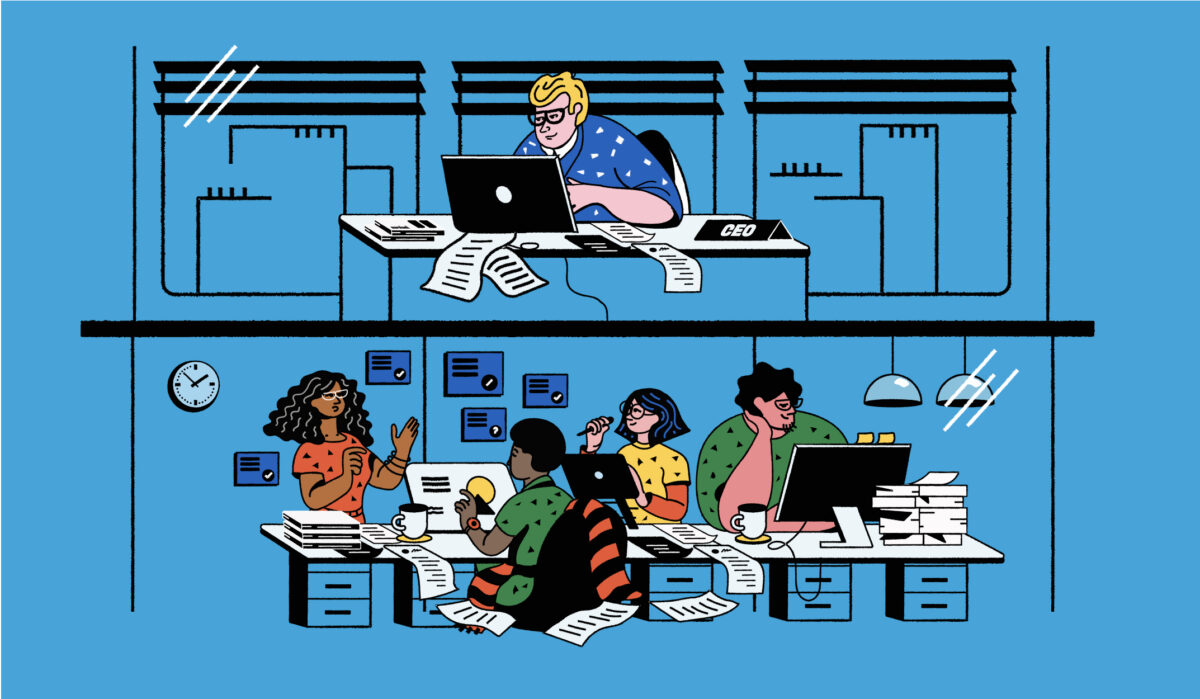
Black-owned publishers say they still suffer from discriminatory keyword blocklists, miscategorized content

There’s nothing new about news publishers lamenting about advertisers’ keyword blocklists and third-party verification firms flagging their content for not being brand-safe. And over the years, Black-owned media companies have shared their concerns that those keyword blocklists discriminately harm their businesses.

But according to recent conversations with half a dozen executives at Black-owned publishers, this issue hasn’t improved — even for their lifestyle content. The execs told Digiday anywhere from 15% to 37% of their traffic can get blocked at times, which can lead to underperforming campaigns. And because it takes time to explain and correct those issues with advertisers and agencies, by the time the issue is fixed the lost impressions can threaten their sales teams’ ability to resign clients.

Verification firms like Integral Ad Science and DoubleVerify have added more tools for programmatic media buyers to use in their campaign planning, including contextual targeting tools, layered on top of advertisers’ general keyword blocklists. But when combined with publishers’ own verification strategies for brand-safe content, all of these tools can clog the pipes and reduce publishers’ available inventory, publishers have said.

Continue reading this article on digiday.com. Sign up for Digiday newsletters to get the latest on media, marketing and the future of TV.

,Read More

Why publishers are ready to end the high cost of third-party cookies and data leakage

While publishers have been preparing for the deprecation of third-party cookies for years, many continue to rely on them, even as they test alternatives, experiment with their own first-party data offerings and see continued data leakage — which could be costing them revenue. 

Data leakage can occur when users traverse the web, leaving a trail of demographic information, purchase history, location data, content consumption history and more signals across the websites they visit. Third-party cookies make data leakage possible by enabling parties who don’t have a direct relationship with the user to build audience segments or misappropriate targeting data that the website owner may not have agreed to or known about. This not only negatively impacts user privacy but also harms publishers by allowing ad tech to reuse this data elsewhere without compensating the publisher at all.

The problem is widespread. In a new Digiday and Google Privacy Sandbox survey of 65 publishers, 94% of respondents reported that data leakage (unauthorized disclosure of first-party data on a third-party site) is a significant concern, with 38% saying it is “very significant” and more than half (56%) calling it a “somewhat significant” concern. 

Continue reading this article on digiday.com. Sign up for Digiday newsletters to get the latest on media, marketing and the future of TV.

,Read More