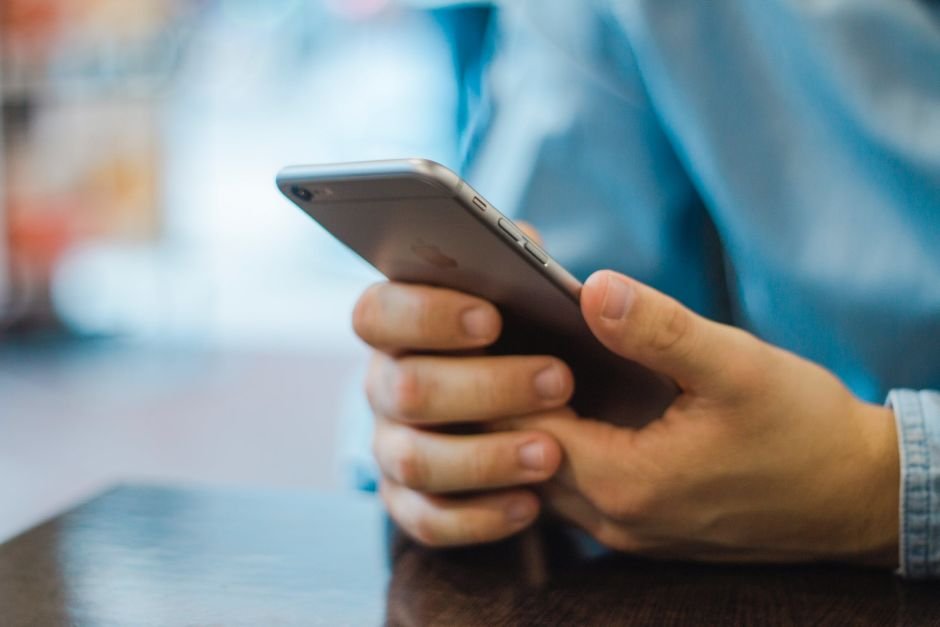
There are also a number of initiatives being pushed out that are introducing mobile connectivity to new audiences. Major networks across the UK, US and Europe are giving free data to allow people to access content and remain connected in these challenging times.
Telekom in Germany is just one example, providing 10,000 nursing homes with a smartphone featuring 10GB data per month for a symbolic €1, with no monthly fees for 24 months. This is unlocking the full potential of mobile connectivity for people whose current mobile phone experience may be limited to an old Nokia phone.
Is 4G reaching its limit?
As we use more mobile data, we will of course begin to push the limits of what 4G LTE technology can cope with. While 5G has featured relatively prominently in advertising, there’s not been the consumer demand to match it.
Numerous 5G cellphones have launched over the past year, but it’s still not a mass market feature. Samsung included 5G as standard within its Galaxy S20+ and Galaxy S20 Ultra phones but, with poorer than expected sales figures, 5G still isn’t a volume-driving feature.
In fact, the technology has received more press in recent weeks for the baseless internet conspiracy theories suggesting links between it and the onset of the global pandemic, rather than for its technological promise.
That said, based on what’s happened in the past with other major wireless standard changes, perhaps consumer demand is now ripe to fulfil that promise. With the world in lockdown, 5G may have finally found its ‘killer application.’
Evolving consumer appetites suggest 5G’s time may be arriving
Its often forgotten these days, but back in 2007 the original iPhone was criticized for initially only supporting EDGE (2G). Despite being marketed as the gateway to a mobile web, the iPhone’s original 2G speeds meant users were often frustrated with the slow load times on anything too image heavy. This need for speed drove consumers to quickly adopt 3G on their smartphones.
However, 3G’s limits soon began to be tested as services like Instagram emerged and people started watching YouTube on the go.
4G’s subsequent roll out across the world in the early 2010s enabled more mobile video consumption. We could now watch Tiger King on the train or upload videos to TikTok and Instagram Stories in under a minute.
The reason for 5G’s slow adoption has simply been because 4G has been good enough for our current needs.
That is until now. The global lockdown has established new consumer behaviors that are making us ever more reliant upon data-heavy video communication. And this isn’t just a demand that is coming from early-adopting digital natives either; it’s across huge swathes of the general population.
Personally speaking, my parents frequently call me now on Google Duo by default; where I meet my friends is dictated by which service supports multiple video feeds at once; and working from home means ensuring I’m out of my pajamas by 9am, knowing every meeting will involve being on camera.
When the lockdown is finally all over, I truly believe we won’t be willing to go back to making a phone call by pressing an expensive glass screen against our ears. Instead, video calling will be the new default for communication.
If this does happen, 5G will be key in enabling this change as the low latency and speeds will be key in ensuring the video quality required. Combined with the likely increased adoption of data-heavy internet usage around the world following the lockdown and the ever-growing demand for high-quality video consumption, regardless of location, 5G may finally be about to have its ‘moment.’
If so, I’ll also be investing in a camera-friendly skincare routine.
For more information on COVID-19, please visit our information hub where we bring you the latest news from Awin and ShareASale, as well as links to network insights and useful pointers, alongside wider updates.