‘A conversion monster’: The live post makes a comeback among news publishers

It’s 2021, and live blogging has made a comeback.

Fresh off maybe the busiest news year in modern history, news publishers are leaning more into the live update formats that many turned to in the early days of the coronavirus outbreak, after discovering that the format helps drive subscriber growth.

These pages and content formats, which include live blogs, live update or briefing pages, and live chats, drive more content consumption, deliver stronger subscriber conversion, and tend to play an important role in subscriber retention. So even after the coronavirus receded slightly from news publishers’ front pages, publishers used the tools during last year’s protests, presidential elections, and even the unrest that led to the Jan. 6 invasion of the U.S. Capitol.

“The performance of the live blog has been extraordinary,” said Patrick Kerkstra, the Philadelphia Inquirer’s managing editor, who noted the Inquirer’s live update format has a subscriber conversion rate that’s twice as high as the publisher’s standard articles. “It’s been a conversion monster.” Exact conversion rates were not provided.

The live format and idea is far from new — publishers have been hosting live blogs and similar formats on their sites for more than a decade. But interest in them had also begun to revive before last year’s pandemic. The New York Times, for example, used its live briefing format 200 times in 2018, and more than 400 times in 2019, said Marc Lacey, the Times’s first-ever assistant managing editor of live, a new division charged with driving adoption of the Times’s live briefings, live blog and live chat formats across the newsroom.

But last year reminded publishers how valuable live news, updates and analysis can be to readers. The relentless bombardment of big stories gave publishers a fresh chance every month to break down what was going on for readers in areas ranging from public health to politics to sports to business.

“It showed [the format’s] possibilities in really dramatic fashion,” Lacey said.

Publishers’ repeated use of live blogs or update pages last year also reminded them of the formats’ strengths. For one: search engines like them.

“The ‘live’ page has an unchanging URL,” explained Rich Gordon, director of the media innovation and content strategy specialization at Northwestern’s Medill School of Journalism.

“This means that the publisher can link from that page, to multiple related stories, as they are updated over time.  And the publisher can also link to that page — for instance on social media or from an email newsletter — and be confident that the page will have the latest information on it.”

Live formats also indirectly address a problem many news publishers have struggled with, particularly as they’ve tightened their meters and made more of their most sought-after coverage exclusive to subscribers.

Many of the live formats publishers deployed offer a mixture of short updates written by reporters, which are often filled with links later in the day after those reporters and their colleagues have filed longer, more in-depth stories on those topics. The short updates, which can touch on a story from several different perspectives or angles, gives readers a good snapshot of a publisher’s breadth of coverage.

“We hadn’t developed the habit you need to get people to come back and make us a part of their every day,” Kerkstra said. “The live blog has helped with that.”

The live formats do have some downsides. The ad load on the Inquirer’s, for example, is significantly lower than the ad load on their standard article pages. Kerkstra pointed out that the Inquirer’s been able to shore this up by selling sponsorships to some of its briefs; the Inquirer’s coronavirus coverage has been sponsored for most of its existence.

Looking ahead, publishers will explore whether these formats retain the same effectiveness when used to cover things that are important to smaller audiences, or whose stakes are maybe not as life-or-death. The Times is trying to convince its reporters, many of whom had gotten used to live-tweeting analysis and nuggets of information, that they should be sharing those same things using the Times’ formats on its sites instead.

“The people who are actively tweeting are already halfway there to covering things live,” said Lacey, who added that, while the Times is not yet telling reporters to use the Times’s formats instead of tweeting, it is framing the Times’s property as a bigger platform.

“It’s more a sense of, we can reach a whole lot more people than you can on your Twitter account,” Lacey said.

The post ‘A conversion monster’: The live post makes a comeback among news publishers appeared first on Digiday.


,Read More

The Ultimate Guide to Link Cloaking For Affiliate Programs

Affiliate marketing continues to grow each year. So much so that more people are beginning to take notice. Of course, seasoned salespeople and advertisers already know the benefits of affiliate marketing.

While it’s tempting to take the leap into building passive income sources, make sure you know what it involves. Anytime something is profitable and trending upward, it becomes a battle of supply and demand. As advertisers move toward increased affiliate marketing efforts, more people want a piece of the pie.

One thing any affiliate marketer needs to understand to be successful is link cloaking.

What is Link Cloaking?

At first, the term “link cloaking” may sound like a black hat term in the world of analytics and SEO. This is simply not true.

Link cloaking is a URL redirect. Customers click on the displayed hypertext. The server receives the request and then redirects the customer to the affiliate link.

Basically, the customer sees a link displayed on your webpage. When the customer clicks the link, they are sent to the merchant via the original affiliate link. This redirection conceals the affiliate link from the visitor.

But link cloaking does so much more than what appears on the surface.

What are the benefits of Link Cloaking?

Any new strategies you implement need to have tangible benefits. You wouldn’t automate your workflow if it didn’t save time, and you wouldn’t start making video content if it didn’t drive engagement, after all. Luckily, link cloaking has lots of benefits.

Look clean and easier to understand

When was the last time you really looked at an affiliate link?

They can be very long, full of characters, and strangely out of place. When placing a link on your blog page or a new subscriber on-boarding email, an affiliate link can be obtuse.

If you’re linking it as text, it can ruin the aesthetics of your layout. Even if you’ve linked using anchor text, it can be off-putting for a visitor and discourage them from clicking on a link.

Link cloaking allows you to produce much shorter and concise links. Even better, link cloaking gives you a chance to make the link descriptive. A descriptive link can reinforce a customer’s momentum toward clicking through. An example would be something like: [website].com/mens-jazz-shoes.

When cloaking a link, you can display your website in the text. This will help a customer have trust in the link. If they trust your website, they will be happy to click through to another page on your site – taking the next step on their customer journey.

Easier to share

Now, this can vary depending on how you are managing your affiliate links. Some services will have dropdown boxes or a helpful dashboard selecting from categories. Others may just make your link shorter for you.

If you organize and have a good naming system for your affiliates, it will be quite easy to type up merchant links from memory.

This is fantastic for adding to an email, social media post or other email alternatives. It’s simple and a massive time saver!

Move up the ranks

Image Source: Stephan Henning on Unsplash

As an affiliate marketer, you are surely aware of the importance of SEO. The gods of Google and Bing are forever evolving whilst you do everything in your power to appease them. There are many ways to rise up the ranks – from creating quality content, to nailing your keywords.

Unfortunately, guess what the search bots do when they find your affiliate links? They lower the quality of your webpage, and they lower your keyword ranking.

You have carefully crafted your website like an IVR system, giving your users a relevant menu of choices to click from. You have spent time and money optimizing for keywords. So don’t waste your optimization efforts by leaving ugly and obvious affiliate links hanging around on your webpages.

Hide those links with descriptive redirects. Use terms that fit your keywords and remember to add a NoFollow tag to your cloaked links. This will ensure sure the bots don’t demote your page for affiliate links.

Ditch the link hijackers

When anything with technology is making money for people, there will be others looking for ways to take some of that money. As affiliate marketing is based on commission, you want to avoid those thieves benefiting from your hard work.

The main method for most of these cyber outlaws is to use various forms of malware. And we’re not just talking about getting these insidious programs on your personal computer, but that of your potential customers!

When a customer visits your webpage, the malware is scanning for affiliate links. If it observes a user clicking on one, it will redirect them through the creator’s website first. This means that if the customer buys from the merchant, they will get your commission.

When the links are hidden from customers, they are also hidden from malware. Cloak your links and save yourself time, money, and priceless emotional damage.

Outsmart the Ad-Blockers

Image Source: somekindofninjapanda 

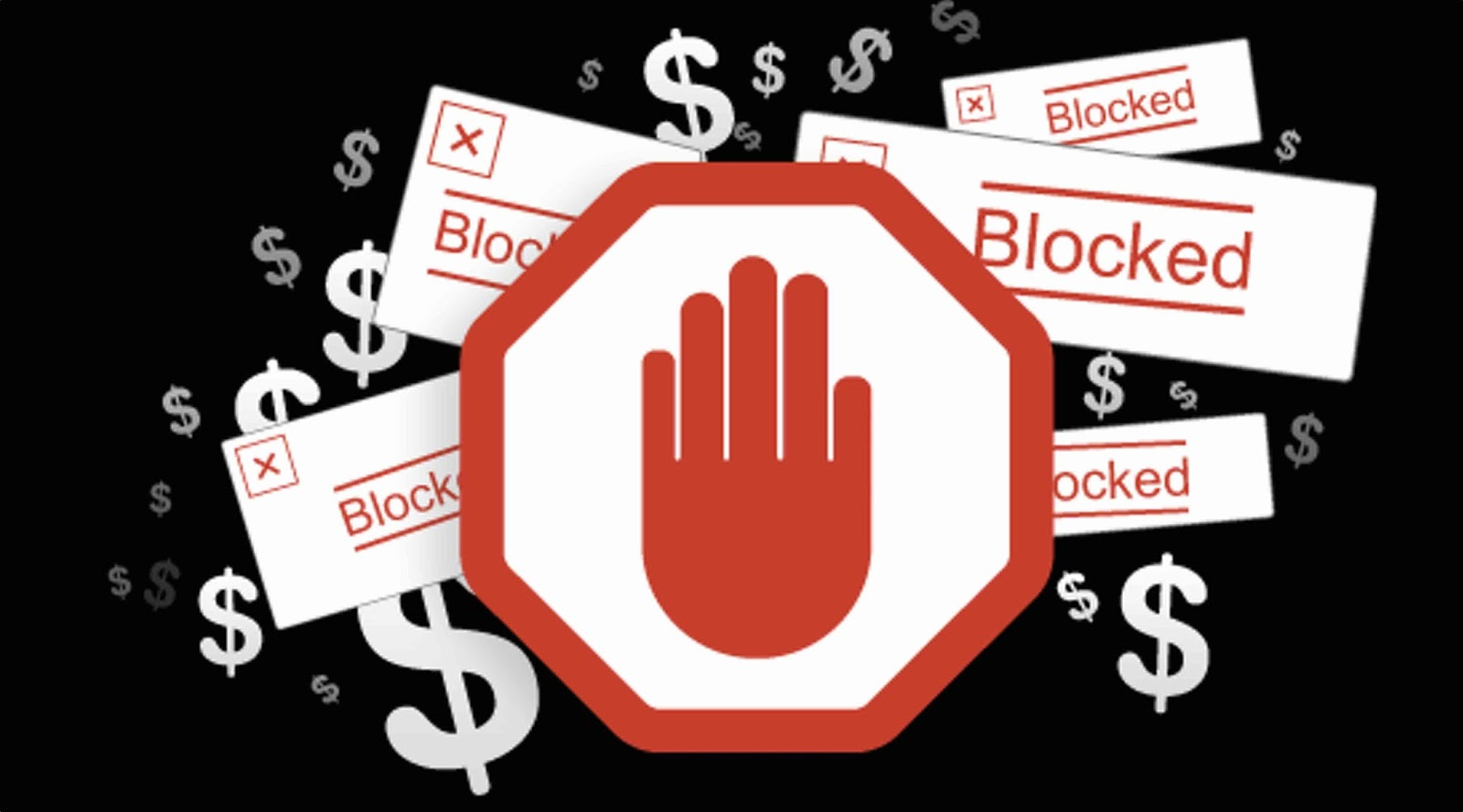
Today nearly one-third of web surfers are using ad blockers. With so much content and so much happening on the internet, it is very valuable to use tools like an ad blocker to filter out the garbage.

Unfortunately, ad blockers can be over-stringent, and block content that readers may want to engage with. For instance, you may have a blog on cloud communication services featuring the best business VOIP, but find the affiliate link blocked. 

In this case, the customer came upon your page in search of a solution but won’t follow the link. You will lose a chance at conversion and the company loses the sale. 

Basically, everyone loses. 

Unfortunately, this is a symptom of an online world where competition for a customer’s attention is of the highest order. Using link cloaking helps avoid ad blockers and lets customers see the relevant product links that your finely crafted web content is guiding them towards.

In turn, your reward is a higher click-through rate, more conversions, and more commissions.

Track Performance

Don’t overlook the value of tracking your links. Every good salesperson knows that the best way to improve sales is to track the ads and see which are working, and which aren’t.

You are going to be linking to the same merchants on various landing pages, emails, and social media posts. Don’t you want to know which mediums are performing better? Is your cheap email marketing driving traffic or is it a particular blog post?

Many of the available link management tools not only allow you to cloak links but also allow you to monitor which sources are driving traffic to the merchant sites. But more importantly, you can track the conversion rates of your content.  

This will allow you to change tactics accordingly. You will be able to make improvements in your content and drive more sales.  

How to Implement Link Cloaking

 There are several ways you can conceal your links.

A simple and efficient way is to create a PHP file with a header redirect.

<?php header( ‘Location: [enter your affiliate link here]’ ) ; ?>

You can save the PHP file with the name you’d like users to see when they hover over the link. Make sure you upload the file to the website’s root directory. Test it and make sure it redirects properly.

You can also use link shortening services like Bitly.com or clickmagic.com. However, these services will prevent you from the benefits of displaying custom text in your links. You also will not be able to change the links or hope for any form of link management.

If you use WordPress, there’s a huge range of plugins that can help with link management. There are many benefits to using a link management plugin. In a similar way to using the best call centre software to manage omnichannel communications, you can manage all of your links in one place.

This means when a link needs to be altered, you will only need to change the affiliate link on the plugin. All of your redirects, no matter where they are posted, will still be tied to the merchant link.

The plugins also make it very easy to find the links when adding them to your content. They can be organized with simple search functions. Affiliate links will be easy to find by category or however you like to organize them.

If you need to go beyond this, it’s worth looking into Software as a Service (SaaS). There are many options out there. While they can be more expensive, they are the ultimate option for the ambitious marketer.

These services will typically allow you to track the most data, including conversions. Think of it as analyzing every customer interaction, the same way you analyze your employees’ work with workforce optimization software

This information is invaluable to you when it comes to maximizing your content and improving your sales.

Cloaks and Profits

Competition in the world of affiliate marketing is trending upwards. Don’t let that competition drive you away. Arm yourself with the right tools for affiliate marketing.

More people are jumping online every day. Start cloaking your links and increase your click-through rate. Increase your conversion, and increase your commission. What are you waiting for?

The post The Ultimate Guide to Link Cloaking For Affiliate Programs appeared first on MaxBounty Blog.

,Read More