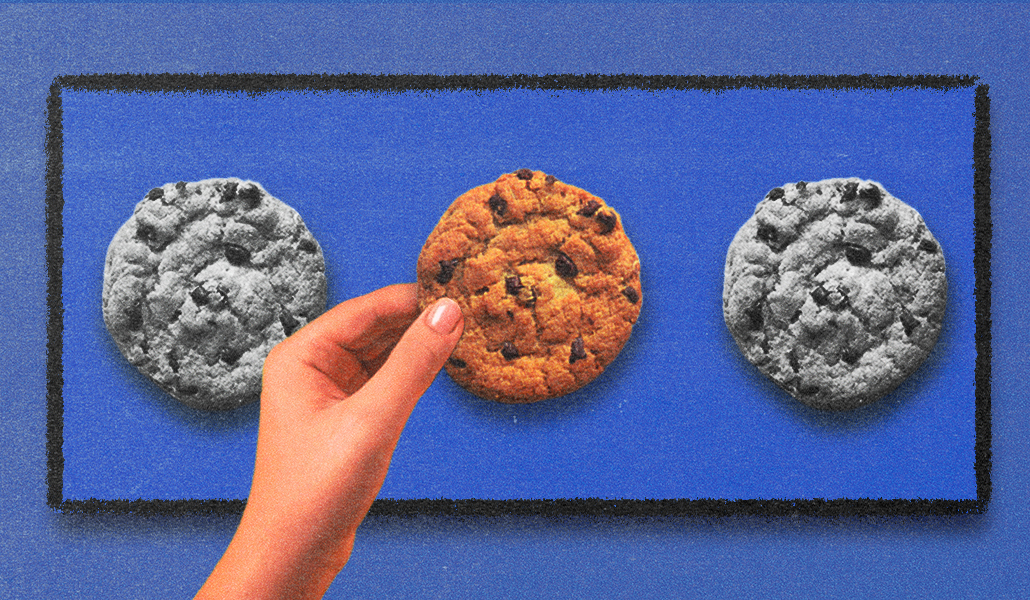
Without Google’s cookie cutoff hanging over them, buyers are lukewarm on alternative IDs

There’s nothing like a deadline to focus the mind. And there’s no better way to lose focus than by removing one.

Just over five years ago, Google set out to sunset the use of the third-party cookies in its Chrome browser. The tech giant’s scheme provoked the ad tech industry to develop dozens of potential successors to the cookie, from ID5 to The Trade Desk’s Unified ID 2.0 to Liveramp’s RampID.

Media buyers responded by testing these alternative identifiers for audience targeting and measurement. But without the cookie cutoff hanging over the industry (or their clients), they aren’t pursuing alt-IDs with the same fervor.

Continue reading this article on digiday.com. Sign up for Digiday newsletters to get the latest on media, marketing and the future of TV.


,Read More

How publishers are now approaching curation with a calculated embrace

By now, publishers’ skepticism toward curation is less a hot take, more a hard truth. The same old story of middlemen, murky margins and the nagging sense that someone else is getting rich off their inventory. But justified cynicism doesn’t pay the bills.

Related Insights


robot drawing on paper. technology for programmatic advertising

So rather than rehash familiar frustrations, what follows is about something more pragmatic: how publishers are learning to work the curation game without buying into it, making peace with a system they don’t trust but can’t afford to ignore. 

Because at this stage, sitting it out isn’t a statement, it’s a financial risk. Programmatic dollars keep slipping away and the evidence is piling up that, when done right, curation isn’t just a necessary evil — it might actually be smart business.

Continue reading this article on digiday.com. Sign up for Digiday newsletters to get the latest on media, marketing and the future of TV.

,Read More