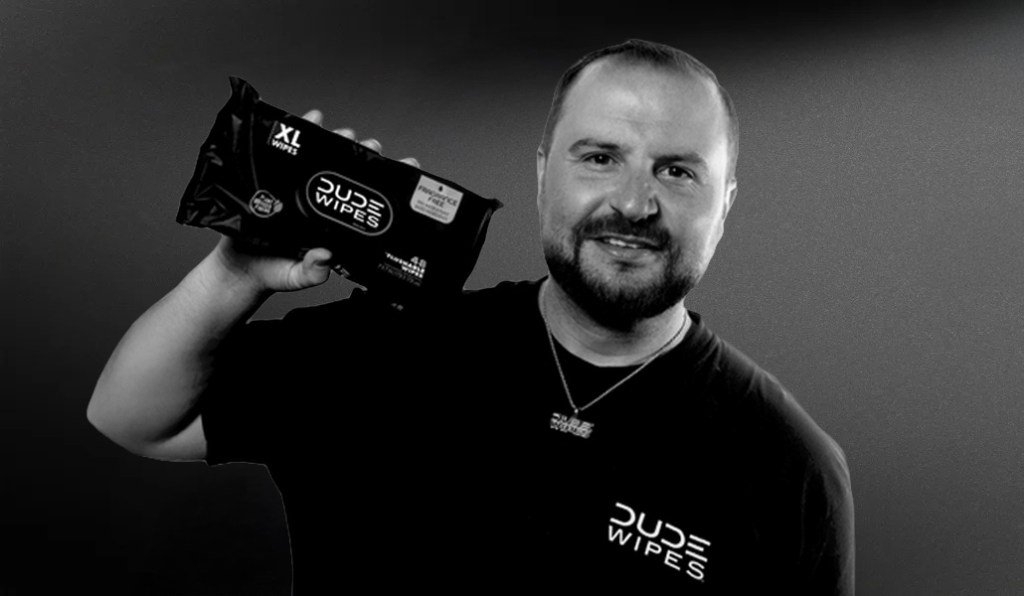
Scott Fenton has a man bun, tattoos, and a Travis Scott sneaker collection visible over his shoulder on Zoom calls. He is also, improbably, the brand director of Chelsea Football Club — a role that, at most Premier League clubs, is still written up as a commercial function: ticketing and memberships, partnership activation, fanbase growth, filled accordingly. He came up through ESPN, then the NBA, then the UFC during the Conor McGregor era, then a stretch in streetwear and culture strategy, accumulating a kind of literacy that football clubs historically neither sought nor knew they were missing. When he talks about a kit launch, he talks about Supreme’s Thursday drops, about sneaker culture, about “small fires.” When he talks about success, he does not mention impressions.
None of that is to say the mechanics don’t matter. Impressions, reach and engagement rates still get presented in decks, still get cited in post-campaign reviews and still determine whether someone keeps their job. But in sport, where the relationship between a fan and a club is less a consumer preference than a condition of identity, they have always been secondary. A shirt is not a product. A kit launch is not a product launch. The person watching it already cares, possibly more than is rational, certainly more than is healthy. The question was never whether they would pay attention. It was whether you understood them well enough to reward it.
This is a member-exclusive article from Digiday. Continue reading it on digiday.com and subscribe to continue reading content like this.
,